A Bird’s Eye View on Contractor Insurance
Built for Contractors Who Can’t Afford a Gap
General Liability · Workers’ Comp · Tools & Equipment · E&O · Surety Bonds




One missed certificate. One lien. One uninsured subcontractor. That’s all it takes to stop a job — or a business. Albatross specializes in contractor and trades insurance in 11 states, including Arizona, Idaho, and Montana. We know ROC compliance, design-build E&O, and the carrier language that actually protects you when something goes wrong. No gaps. No runaround.
Coverage Built for Contractors
From a solo electrician to a 20-crew GC — we build a policy around your actual scope of work, not a template. Nine coverages, fully coordinated.
General Liability
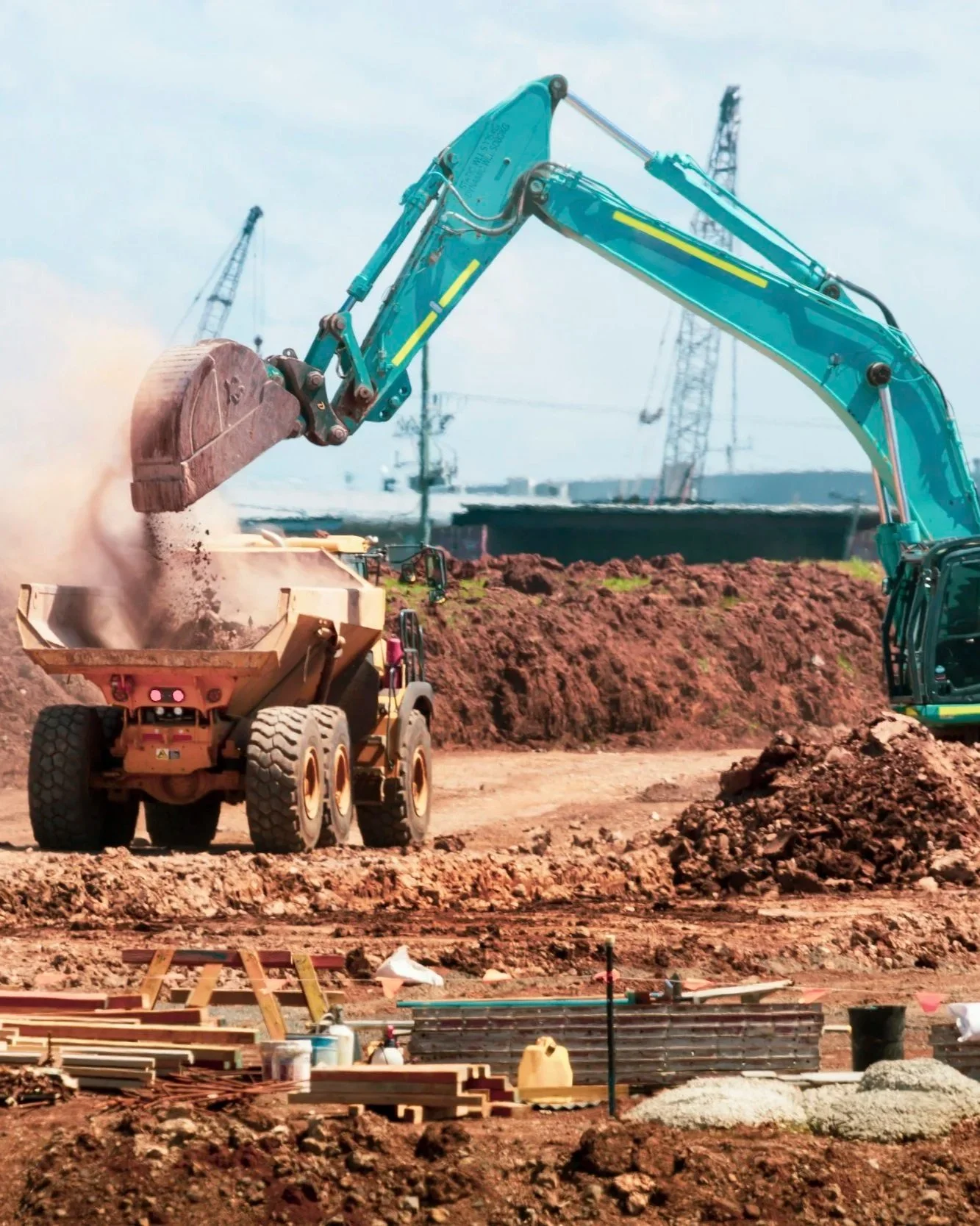
Covers third-party bodily injury and property damage arising from your work — during the job and after it’s done. Required by virtually every GC, lender, and project owner before you set foot on site.
Commercial Auto
& Fleet
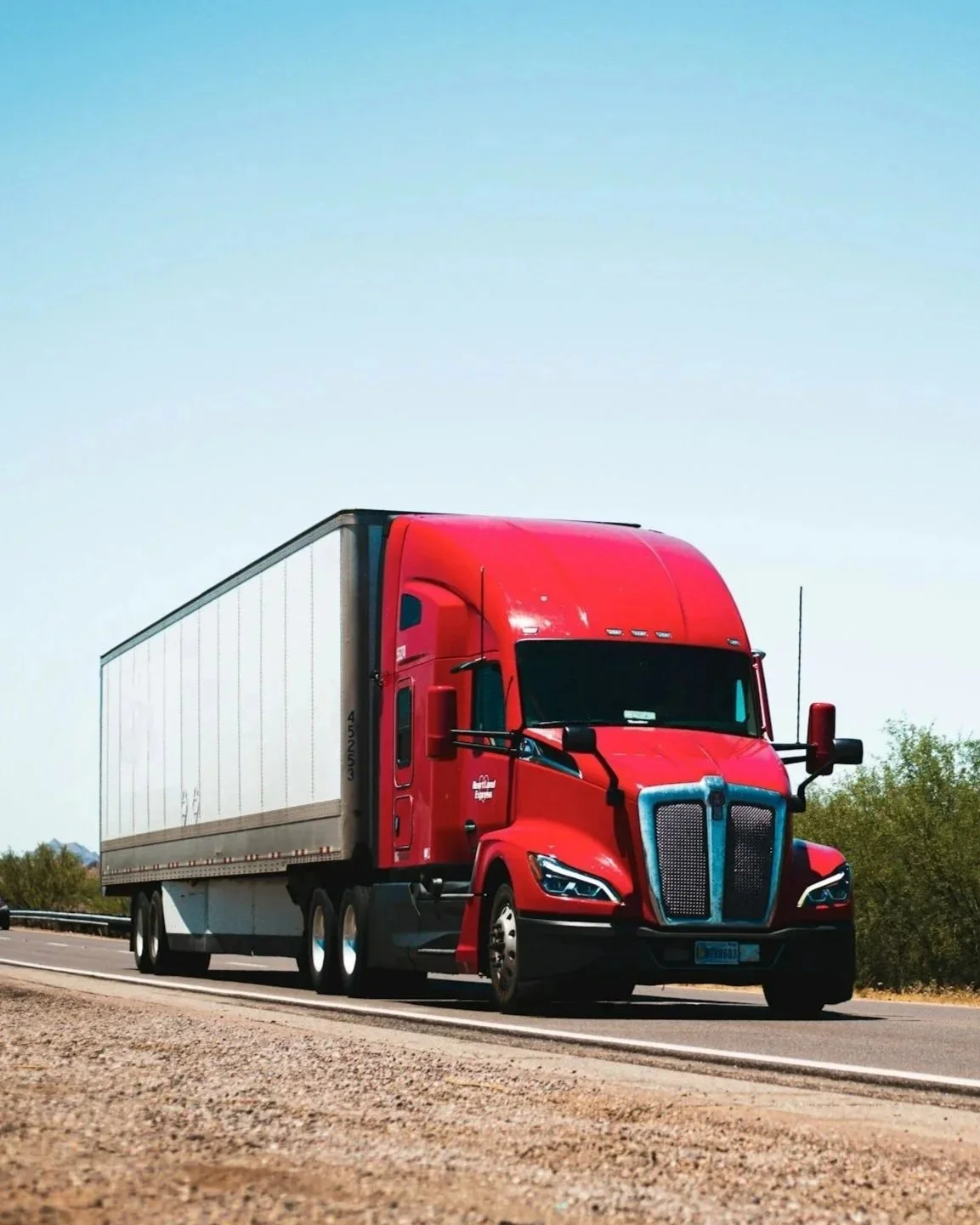
Work trucks, flatbeds, equipment haulers. We write commercial auto from 1-vehicle owner-operators to multi-unit fleets, including hired and non-owned auto for subcontractor situations.
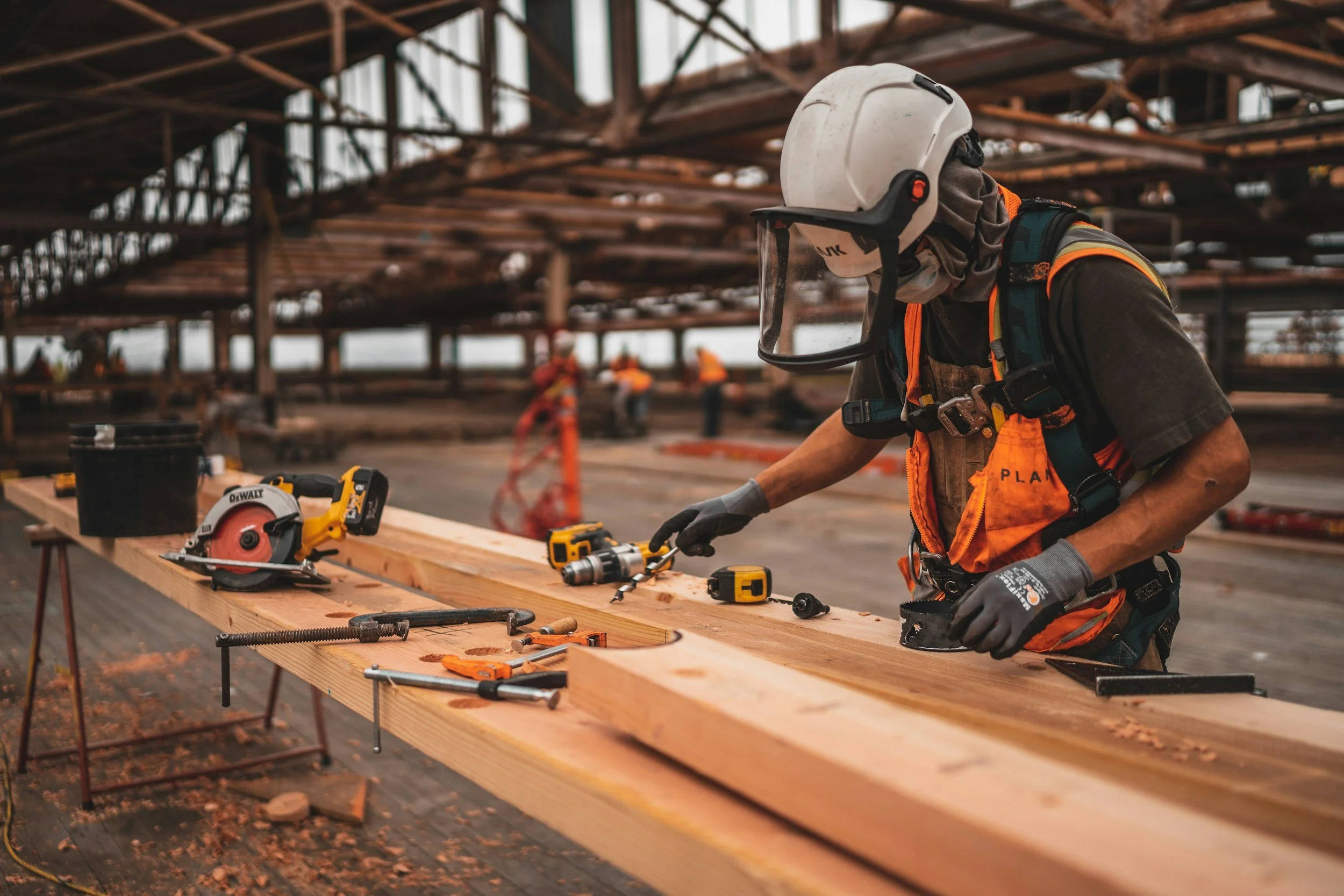
Builder’s Risk
Project-specific coverage for the structure while it’s under construction against fire, theft, storm, and vandalism. Required by most lenders before the first draw is released.
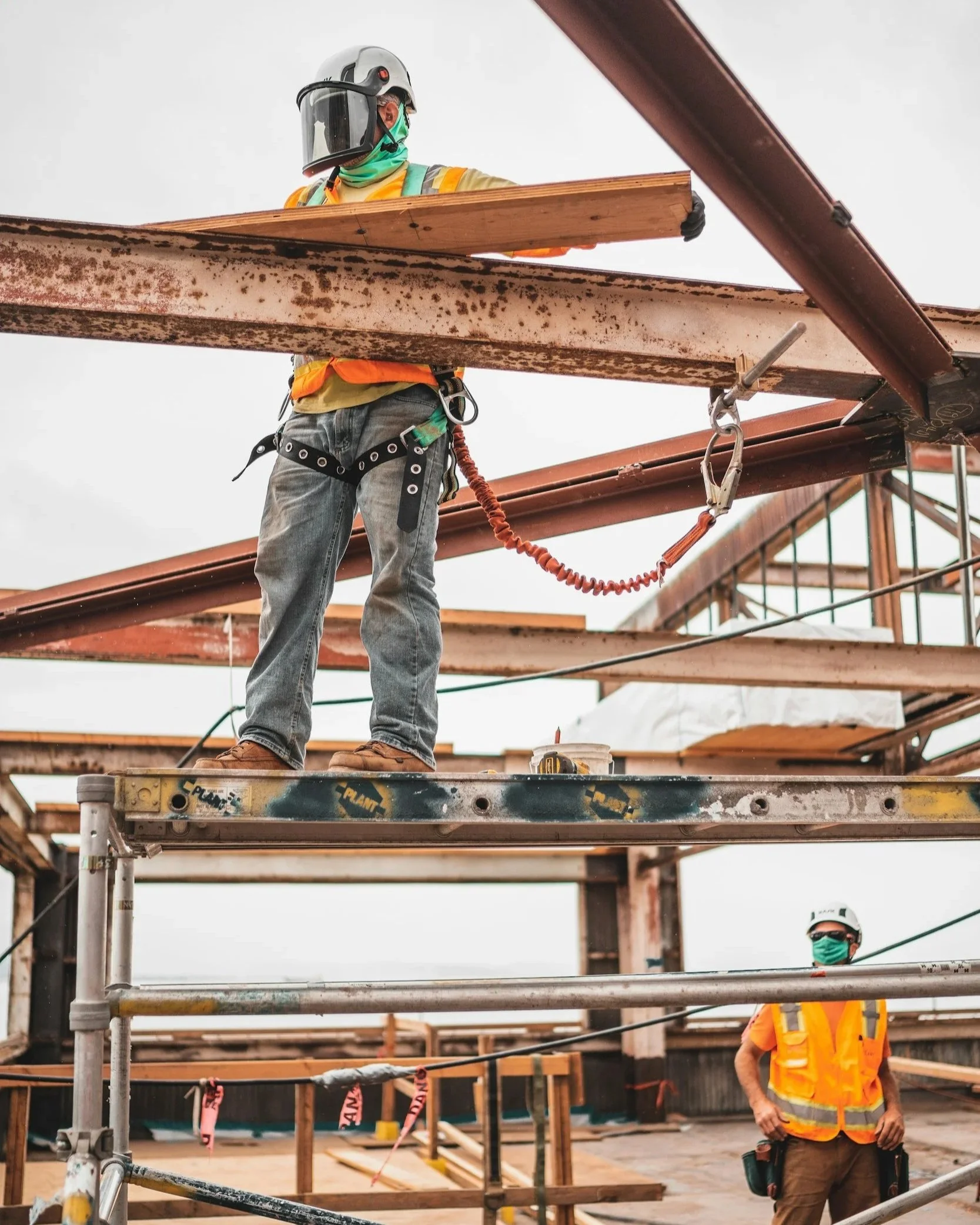
Workers’ Compensation
State law requires WC the moment you have an employee — and the rules differ significantly between states. We place policies across admitted and specialty carriers, including high-hazard classifications that standard markets decline.
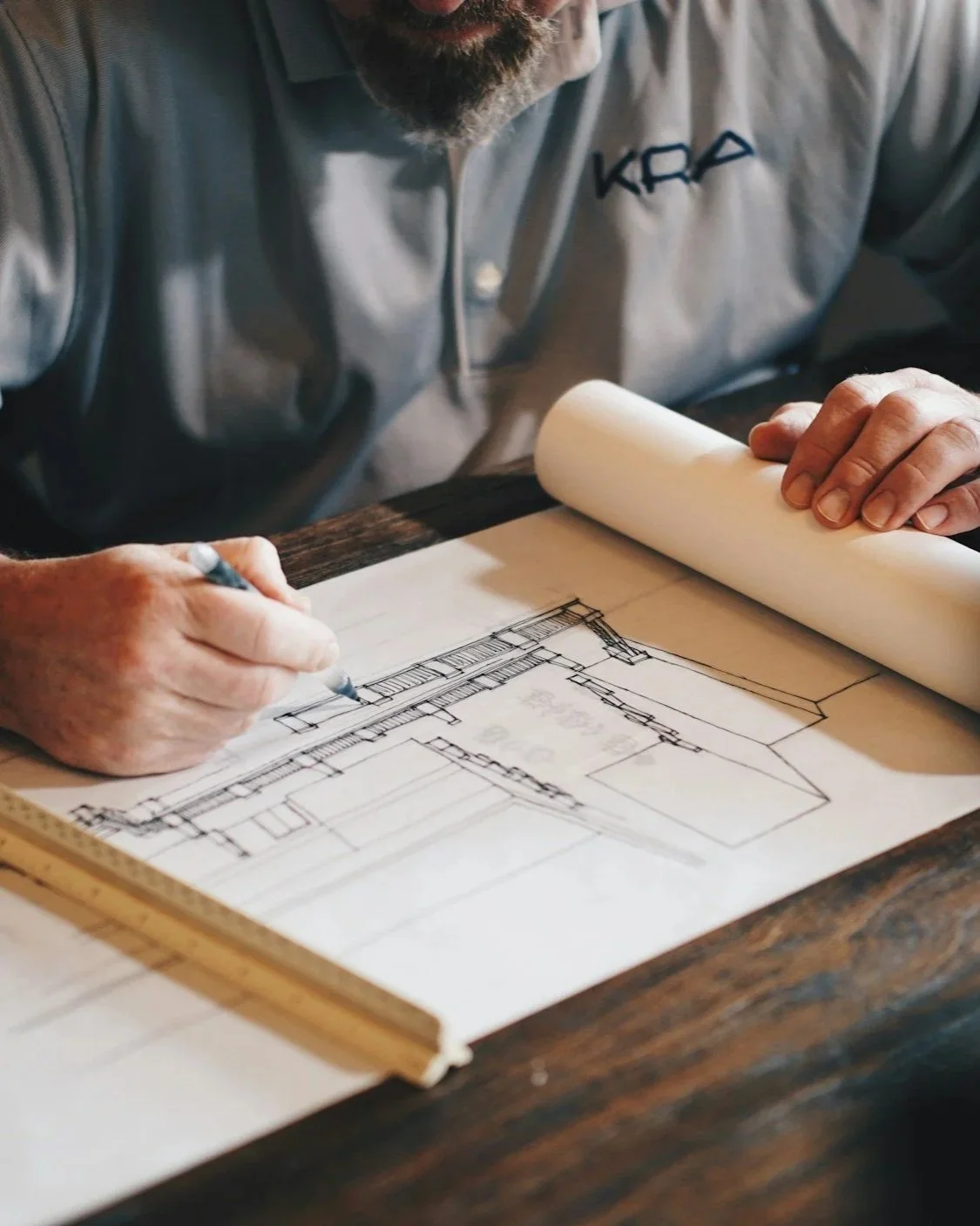
Surety &
License Bonds
We place surety bonds for new license applicants and renewals — typically same-day for qualifying contractors — and coordinate bond requirements with your GL and registration documentation.
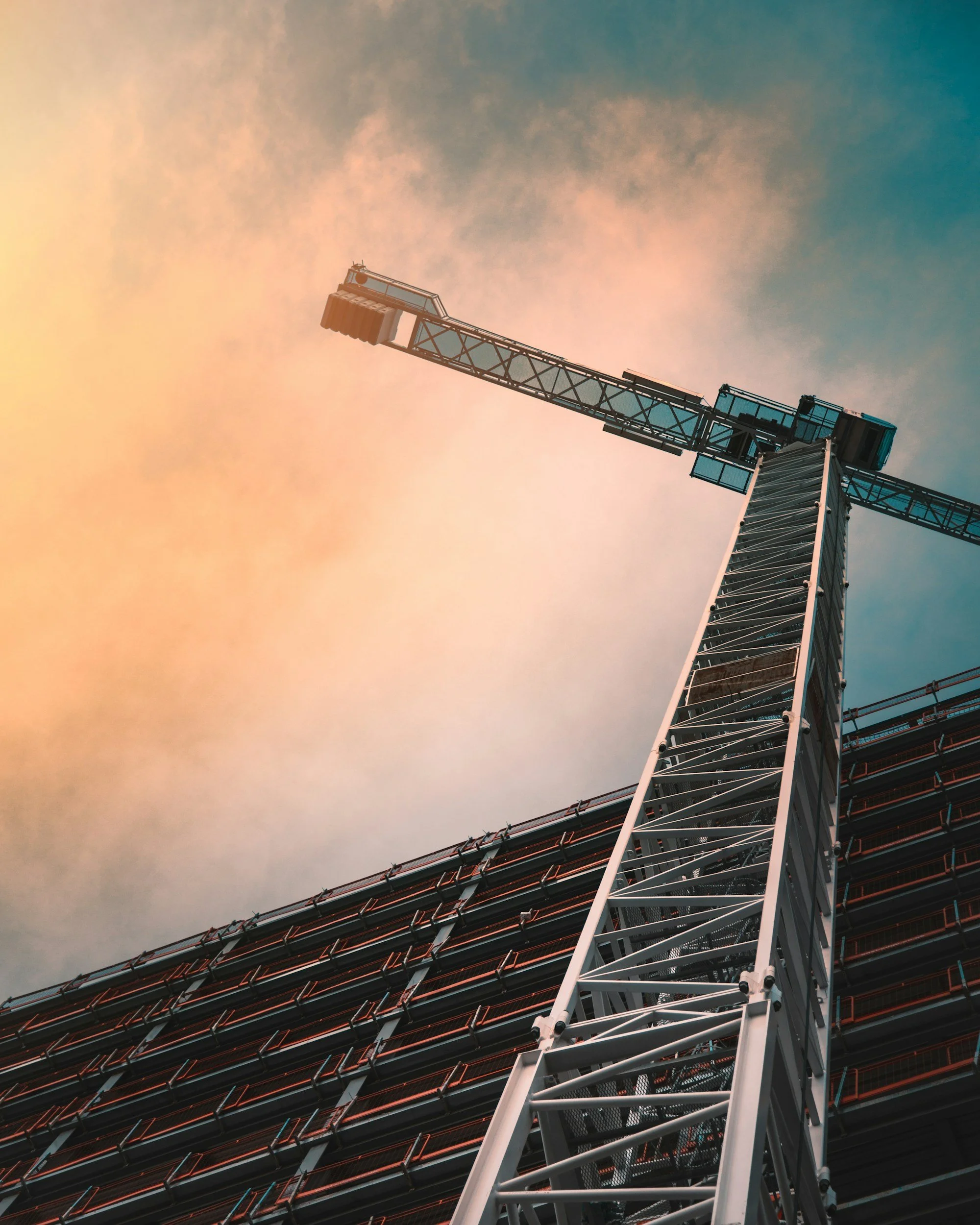
Commercial Umbrella
& Excess
Adds $1M to $5M+ above your GL to hit the limits commercial contracts require — and because claims rarely reach the upper layers, each extra million costs less than the last. We match the excess form to your underlying policies so a claim doesn’t fall into a gap.
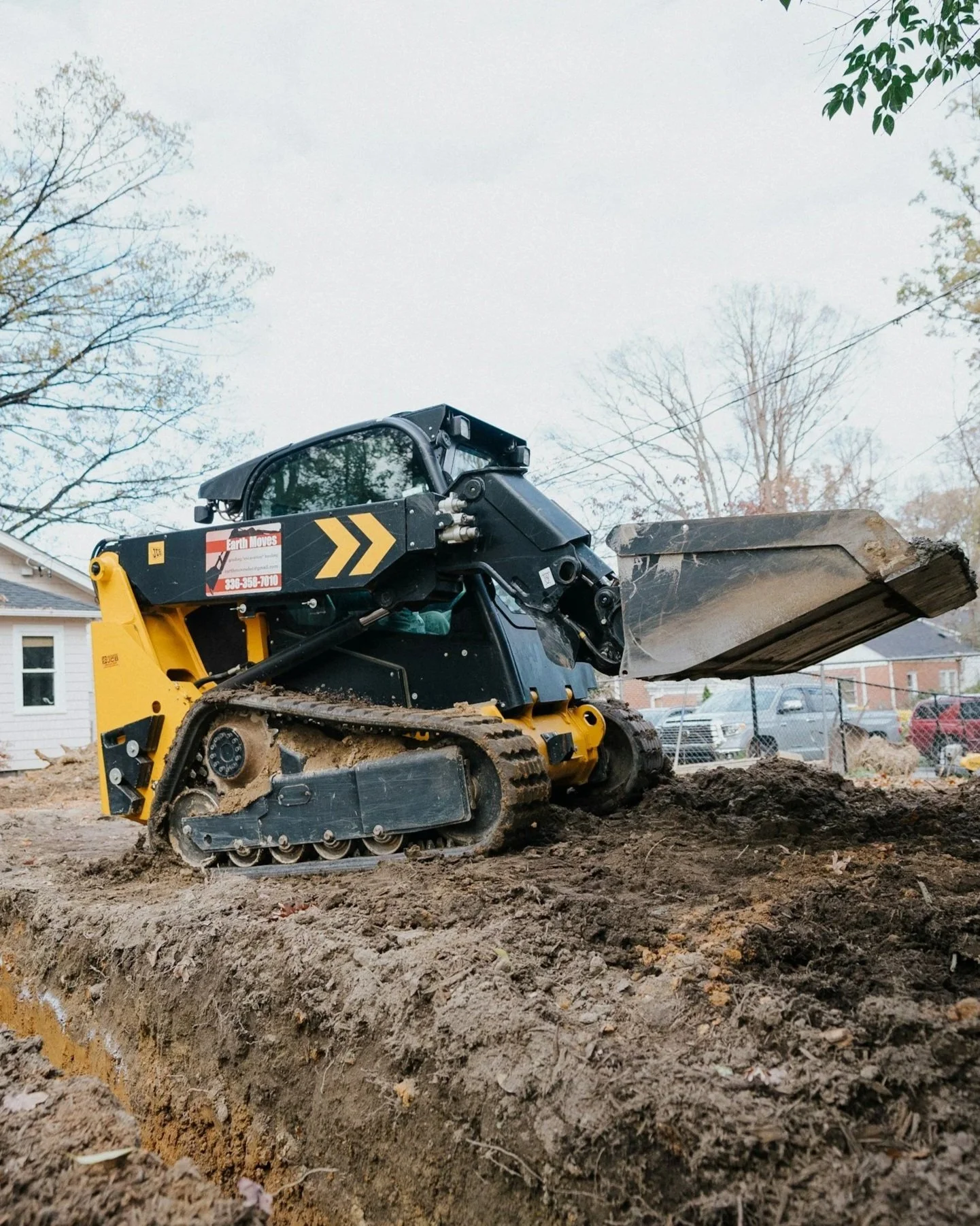
Tools & Equipment
Your tools don’t stop having value when they’re on a job site — and a standard BOP won’t cover them there. We write standalone tools & equipment coverage for gear on the truck, at the site, or in the yard.
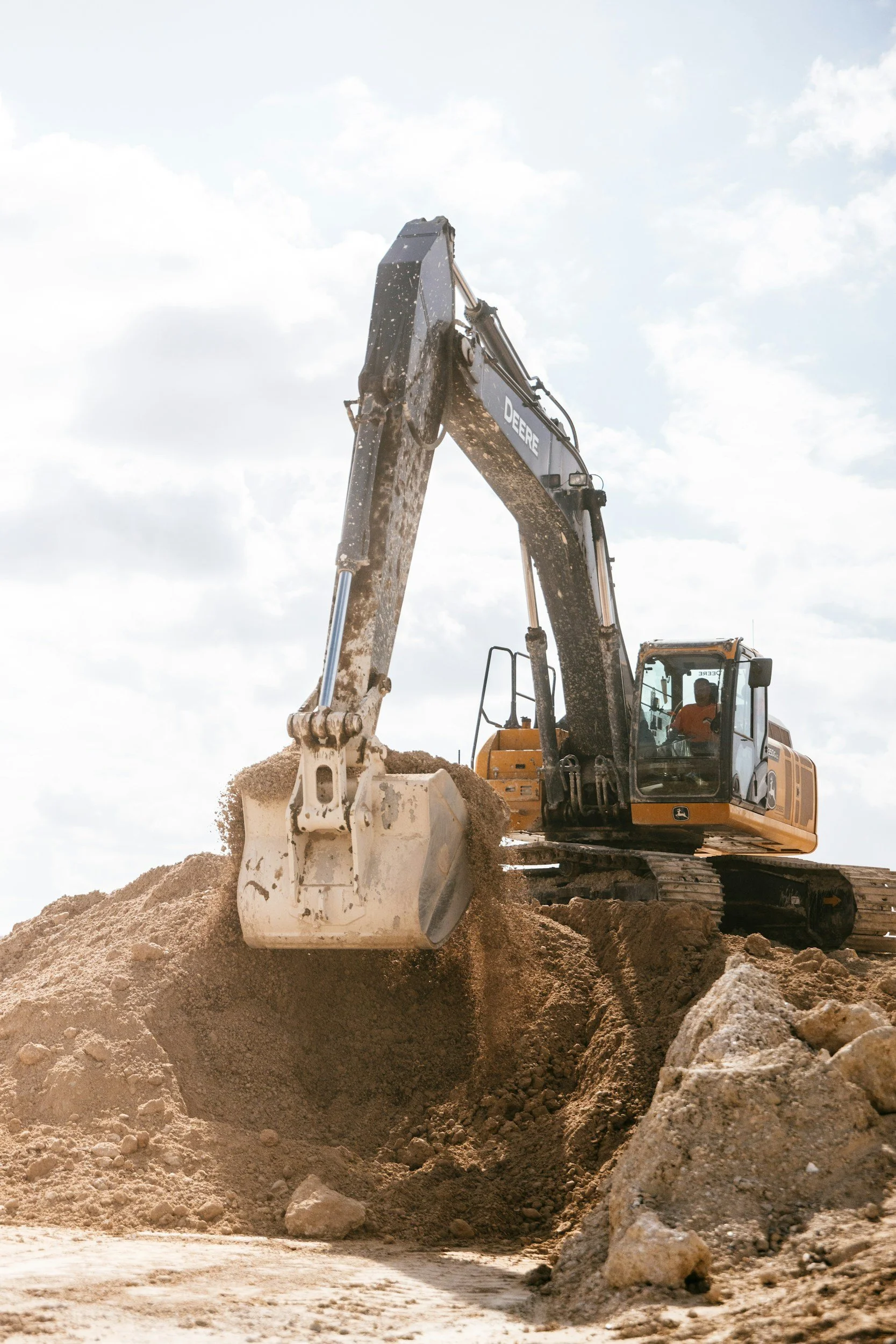
Inland Marine / Equipment Floaters
Blanket or scheduled coverage for heavy equipment — excavators, skid steers, lifts — on and off-site. Goes where your GL stops and fills what commercial auto misses.

Contractor’s E&O
Your GL excludes professional services — design, spec, project management, advisory work — no matter how construction-adjacent it is. E&O fills that gap, and it’s more affordable than most contractors expect.
Why Contractors Choose Us
-
![Construction Risk-icon]()
We Know Construction Risk
Josh Kuhn holds the CRIS designation — Construction Risk & Insurance Specialist. It’s one of the few credentials in the industry requiring demonstrated expertise in contractor coverage, contracts, and project risk. You’re not explaining your business to someone reading from a script.
-
![E&S Icon]()
We Access Markets Others Can’t
Admitted carriers turn contractors down for dozens of reasons: prior losses, newer license, high-hazard work, mixed residential/commercial. We have E&S market access through our surplus lines specialist Terri Gillespie — we find coverage where standard agents stop looking.
-
![Speed icon]()
We Move at Job-Site Speed
Certificate requests same day. Bond quotes same day. New policy quotes in 24–48 hours in most cases. Construction doesn’t wait for insurance, and we staff accordingly.
-
![independent icon]()
We’re Independent
Not captive to one carrier. We shop your policy across multiple markets every renewal — making sure you’re not overpaying and your coverage still matches your actual scope of work.



The Full Trades Spectrum
From framing to finish work — if you’re licensed and working, we have the right carrier for you.
Don’t see your trade? We’ll build a custom policy that fits your crew.

Common Questions Contractors Ask
Clearing the air on your coverage.
Q: What GL limits do I actually need as a contractor?
A: Statutory minimums vary by state — Arizona requires $750K to $1M depending on your ROC license class, Idaho requires $300K for registration, and Montana has no single statewide minimum. But statutory minimums are rarely what the market requires. Most GCs, project owners, and lenders in all three states require $1M to $2M per occurrence before they’ll allow you on site. High-value residential projects and commercial builds frequently require $5M, achieved by adding an umbrella above your primary GL. We structure your limits to meet both the regulatory floor and the market requirement — they’re often different numbers.
Q: Why do I need Contractor’s E&O if I already have General Liability?
A: GL contains a professional services exclusion — it will not cover a claim arising from advice, design, specification, or project management work, even when that work is part of a construction project. If you’re doing any design-build work, reviewing submittals, specifying products, sizing systems, or writing scope documents, that exposure sits outside your GL. Contractor’s E&O covers it. In active construction markets like Arizona’s design-build sector and Idaho’s Treasure Valley growth corridor, this gap is catching contractors off guard regularly. E&O is typically more affordable than people expect and far less expensive than an uncovered professional liability claim.
Q: How quickly can you get me a certificate of insurance?
A: Same day in most cases — often within the hour if your policy is active and the request is standard. Additional insured endorsements with specific language take a little longer, but we handle it directly. No call centers, no ticketing systems. We also coordinate certificates across all three states for contractors with multi-state registration requirements.
Q: Do my tools and equipment need separate coverage from my GL?
A: Yes. GL only covers third-party bodily injury and property damage you cause — it does not cover your own tools, equipment, or materials. You need a separate inland marine policy (tools & equipment floater). Commercial auto may cover equipment in a locked vehicle in some cases, but job site coverage requires the floater. This is one of the most common gaps we find in contractor programs that came from another agency.
Q: I was declined by a standard carrier. Can you still help?
A: Frequently. We have E&S surplus lines access through our specialist Terri Gillespie — carriers that take on higher hazard classifications, newer businesses, and contractors with prior claims that standard markets won’t touch. Sometimes E&S is actually more competitive for your class of work than standard admitted markets. We don’t stop at the first decline.
Q: Can you insure me if I use subcontractors?
A: Yes — but how you structure it matters. We’ll walk you through requiring subs to carry their own GL and add you as additional insured, how your policy handles uninsured sub work, and how audit-based GL policies settle at year-end. This is one of the most common coverage gaps we catch for contractors switching from another agency, in all three states.
Q: What’s the difference between a BOP and a standalone GL for contractors?
A: A BOP bundles GL with commercial property coverage, designed for businesses with a fixed
commercial location. For most contractors operating out of a truck or home office, a standalone GL is better — the property component of a BOP usually adds cost without adding value. We’ll quote both when it’s a close call and show you exactly what you’re getting for the difference in premium.
Q: Do you handle WC for crews with variable headcount?
A: Yes. We work with carriers flexible on audits and mid-term adjustments for crews that fluctuate seasonally or by project. Pay-as-you-go WC options are available if cash flow management matters — premium based on actual payroll rather than upfront annual estimates. This applies in all three states, though Montana’s WC market has specific placement requirements we handle on your behalf.
Q (ARIZONA): What does Arizona’s ROC require for a contractor’s license?
A: The Arizona Registrar of Contractors requires a surety bond and — if you have employees — workers’ compensation insurance. Bond amounts range from $1,000 to $15,000 depending on your license type and qualifier classification. GL is not mandated by the ROC itself but is required by virtually every GC, developer, and lender before you can work on their projects. Arizona’s statute of repose gives claimants eight years on residential construction defect claims and two years on commercial — making completed-operations coverage and tail coverage important planning considerations.
Q (IDAHO): Why does my GL policy cancel my Idaho contractor registration if it lapses?
A: Idaho is one of the few states that uses your general liability policy as the financial guarantee for contractor registration, rather than requiring a separate surety bond. Your policy is filed with the Idaho Contractors Board as part of your registration. If it lapses, is cancelled, or drops below the $300,000 single-limit minimum, the board treats your registration as non-compliant — effectively invalidating your right to work until coverage is reinstated. We monitor policy status and flag renewal deadlines proactively for Idaho contractors so your registration doesn’t lapse over a coverage gap.
Q (MONTANA): Can I use my existing WC policy when working in Montana?
A: No — and this is the most expensive compliance mistake for contractors working across state lines. Montana law does not allow out-of-state workers’ compensation coverage to satisfy Montana construction requirements. Your Arizona or Idaho WC policy does not cover your crew on a Montana job site. You need a Montana-specific WC policy in place before work begins — registration with the Montana DLI Construction Contractor program also requires proof of that Montana-specific coverage. We place Montana WC before your crew crosses the state line.

Ready to Get a Contractor Quote?
Don't leave your business exposed to rough skies. Tell us what you do, where you work, and what you need. We’ll come back with real options — not a runaround.